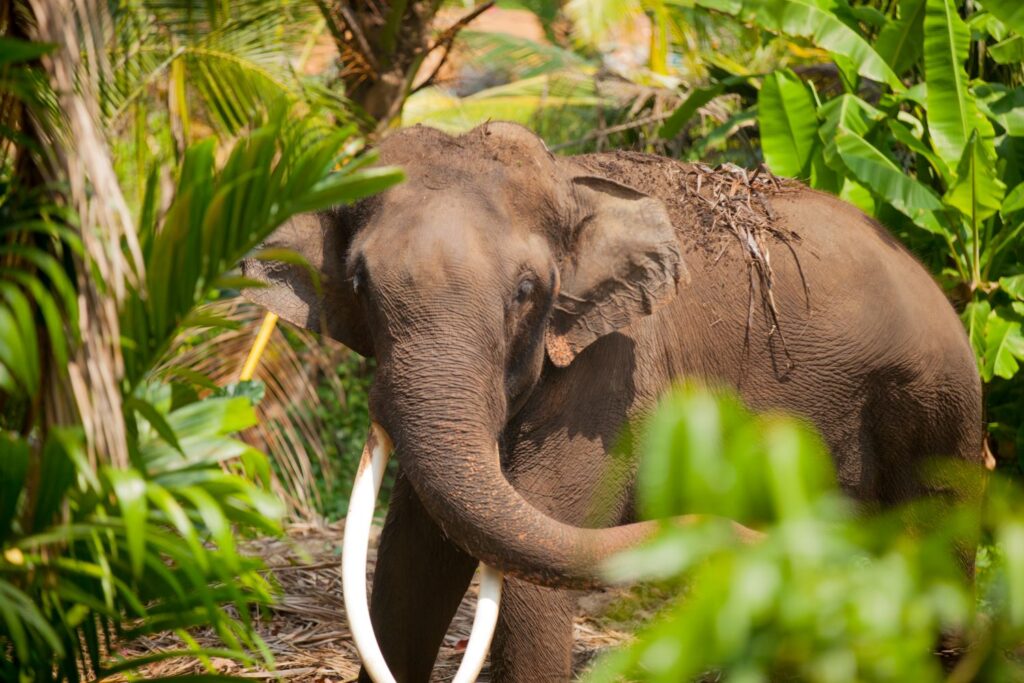
Koh Samui has transformed over the last decade from tourist-heavy rides and elephant shows to a growing network of sanctuaries focused on rehabilitation and ethical tourism. When we started researching “best elephant sanctuary Koh Samui,” we wanted more than pretty photos: we wanted places where elephants are cared for first, visitors learn respectfully, and the animals aren’t exploited for profit. In this guide we share how we chose the sanctuaries we recommend, what a visit actually looks like, how to spot ethical care, and practical tips so your trip supports conservation rather than harm.
How We Chose These Sanctuaries
Selection Criteria
We evaluated sanctuaries on a mix of on-the-ground observations, recent visitor reports, and published standards for elephant welfare. Our criteria prioritized long-term welfare over entertainment. Specifically, we looked for:
- No riding or performances: Sanctuaries that prohibit riding, shows, or forced tricks made our list.
- Natural foraging and socialization: Facilities that allow elephants to roam in larger enclosures or natural forest and to interact with conspecifics scored higher.
- Transparent funding and mission: We favored sanctuaries with clear rescue stories, public statements about care, and evidence that visitor fees support ongoing veterinary care and habitat maintenance.
- Qualified staff and veterinary access: Trained mahouts, onsite vets or regular veterinary visits, and humane handling practices were essential.
- Educational programs: Sanctuaries that teach visitors about conservation, elephant behavior, and local ecosystems rather than offering voyeuristic experiences.
We also weighed practical factors, accessibility from popular tourist areas, visitor capacity limits, and how bookings are handled, because responsible sanctuaries often limit daily visitors to reduce stress on the animals. Finally, we cross-checked reviews from multiple sources and recent photos to make sure facilities hadn’t changed operations since initial listings.
Top Elephant Sanctuaries In Koh Samui
Samui Elephant Sanctuary, Overview And Highlights
Samui Elephant Sanctuary is the most well-known ethical option on the island and for good reason. Founded with a mission to rescue retired or rescued working elephants, the sanctuary emphasizes rehabilitation, routine health checks, and creating a low-stress environment. The site is set in lush gardens and has shaded paddocks, salt licks, and natural feeding stations designed to let elephants exhibit natural foraging behavior.
Highlights:
- Clearly posted welfare policies (no rides, no hooks)
- Morning feeding and mud-bathing sessions that let visitors observe but not interfere
- Small group sizes to minimize animal stress
- Onsite educational talks that explain the mahout-elephant relationship and Thailand’s elephant history
Samui Elephant Sanctuary, Visitor Experience And Practical Info
Our visit showed a calm atmosphere: we joined a guided group, watched staff prepare browse, and observed elephants picking leaves and wallowing in mud. The experience is structured to keep interactions brief and respectful, visitors may feed approved food under supervision and photograph from safe distances.
Practical info:
- Typical visit length: 3–4 hours (usually a morning program)
- Accessibility: Located inland: many hotels offer transfers or you can arrange a private taxi
- Cost: Moderate: fees include sanctuary upkeep and veterinary care. Prices may change seasonally, so book or check the website in advance.
- Amenities: Basic refreshments and shaded viewing areas, limited gift-shop items with proceeds supporting the sanctuary
This sanctuary is the closest match to what we think of as an ethical elephant experience on Koh Samui, it prioritizes animal welfare and education over entertainment.
Elephant Haven Samui, Overview And Highlights
Elephant Haven Samui is a smaller operation that focuses on individualized care for a handful of rescued elephants. Because the facility keeps group sizes intentionally low, visitors get a quieter, more intimate program that still avoids forced contact or performance.
Highlights:
- Personalized rescue stories and up-close learning (not hands-on interaction)
- Emphasis on natural diets and enrichment activities designed by caregivers
- Often collaborates with local vets and conservation groups for medical support
We liked that Elephant Haven Samui offers flexible programs: half-day visits, volunteer days, and occasional behind-the-scenes talks with caregivers. This is a good option if you want a more contemplative experience and to support smaller-scale rehabilitation work.
What To Expect During A Visit
Typical Daily Schedule And Activities
Most ethical sanctuaries in Koh Samui structure visits to limit stress and mimic natural rhythms. A typical morning program looks like this:
- Arrival and orientation: Staff explain rules, elephant backgrounds, and safety guidelines.
- Educational talk: We learn about local conservation issues, elephant biology, and what sanctuary life means.
- Feeding/foraging observation: Visitors watch or assist with supervised feeding using approved foods, often root vegetables or banana leaves, under direction.
- Mud bath or water session: Elephants may wallow in mud or swim: visitors are observers rather than participants in most ethical sanctuaries.
- Quiet viewing and Q&A: Time to ask caregivers about daily care, health monitoring, and enrichment.
Afternoon or full-day programs may include longer observation periods, guided walks nearby, or volunteer-style tasks like preparing feed or cleaning enclosures, always under staff supervision.
Rules, Safety, And Respectful Behavior
Sanctuaries set rules for good reason. Common expectations include:
- No riding, no hooks, and no forced performances
- Maintain safe distances: never approach an elephant without staff permission
- Follow staff instructions for feeding and photographing (no flash)
- Wear neutral clothing and avoid strong scents that might disturb animals
- Respect quiet zones: elephants use calm areas to rest and should not be disturbed
If we follow these rules, the experience benefits everyone: elephants keep their dignity and we walk away with a better understanding of why ethical tourism matters.
Ethical Considerations And Red Flags To Watch For
Signs Of Responsible Elephant Care
True welfare-focused sanctuaries show consistent practices, not just marketing. Look for these positive indicators:
- Clear no-ride/no-show policies on the website and at the site
- Evidence of veterinary care: medical records, vaccination schedules, or onsite vets
- Freedom to express natural behaviors such as foraging, bathing, and socializing
- Staff trained in positive reinforcement and low-stress handling
- Transparent communication about funding, rescue sources, and long-term plans
We always ask staff directly about elephant histories and how visitor fees are used: honest, detailed answers are a strong sign of integrity.
Red Flags And Practices To Avoid
Some operations still rely on outdated, harmful methods. Watch out for:
- Riding, elephant performances, or trick shows advertised as highlights
- Heavy chaining, small barren enclosures, or obvious injuries
- Excessive direct contact that seems staged, like forced bathing or photo ops where elephants are led on chains
- Unclear or evasive answers about where elephants came from and how fees are used
- Large crowds of visitors allowed to touch or feed elephants unsupervised
If we see any of these red flags, we choose not to support the operation and report concerns to local authorities or reputable animal-welfare groups.
Practical Tips For Planning Your Visit
Best Time To Visit, How To Get There, And Costs
Best time to visit: Early morning programs are best for cooler weather and more active elephants. Koh Samui’s dry season (December–April) is popular: if you travel in the wet season, expect hotter, stickier conditions and occasional cancellations.
Getting there: Most sanctuaries are inland. Many hotels and tour operators offer pickups: we find arranging a private taxi or shared transfer through the sanctuary often easiest and helps reduce stress on the animals by avoiding late arrivals.
Costs: Ethical sanctuaries often charge more than ride-and-show operations because they fund medical care, food, and habitat upkeep. Expect to pay a moderate fee that reflects real care costs. Ask what’s included, transfers, meals, or donation receipts, so you can plan.
Booking Advice And What To Bring
Booking:
- Reserve in advance, especially in high season, ethical sanctuaries limit visitors per day.
- Book directly through the sanctuary when possible: it usually ensures your fee goes straight to the animals rather than a middleman.
What to bring:
- Lightweight, neutral-colored clothing and sturdy shoes
- Sun protection and insect repellent (applied before arrival)
- A refillable water bottle, many sanctuaries provide drinking water stations
- A camera with a respectful mindset: distant shots, no flash
- Small cash for donations or sanctuary merchandise if you want to support ongoing care
We also recommend mentally preparing to be an observer rather than an active participant. The most rewarding moments are quiet: watching an elephant forage, listening to a caregiver tell a rescue story, or seeing these animals relaxed and natural.
Conclusion
Finding the best elephant sanctuary in Koh Samui means choosing places that put elephant welfare first and tourism second. Samui Elephant Sanctuary and Elephant Haven Samui are two options that demonstrate the standards we look for: no riding, clear veterinary care, educational programs, and limited visitor numbers.
When we visit thoughtfully, asking questions, following rules, and paying fair prices, we help sustain operations that genuinely improve elephant lives. If you leave wanting more ways to help, consider donating directly, sponsoring medical care, or supporting regional conservation groups. In the end, ethical travel should leave both us and the elephants better off.